Thinking about a move to Spartanburg? Maybe you’ve heard about the revitalized downtown, the parks and trails, or the easy-going pace that still keeps you close to bigger-city opportunities. You want to know what daily life actually looks like before you commit. In this guide, you’ll get a clear picture of neighborhoods, housing, commute options, schools, healthcare, and the local vibe so you can decide if Spartanburg feels like home. Let’s dive in.
The Spartanburg vibe
Spartanburg blends small-city charm with an active arts and culture scene. Downtown continues to add restaurants, coffee shops, and public spaces that make it easy to stroll, meet friends, and enjoy weekend events. The presence of colleges like Wofford College, Converse University, and USC Upstate brings energy to the arts, dining, and community programming throughout the year.
You’ll find a welcoming pace and a strong sense of place. Local festivals, farmers markets, and performances create regular reasons to gather. Anchor institutions such as the Chapman Cultural Center support visual and performing arts, classes, and family-friendly activities.
Homes and neighborhoods
What you’ll find
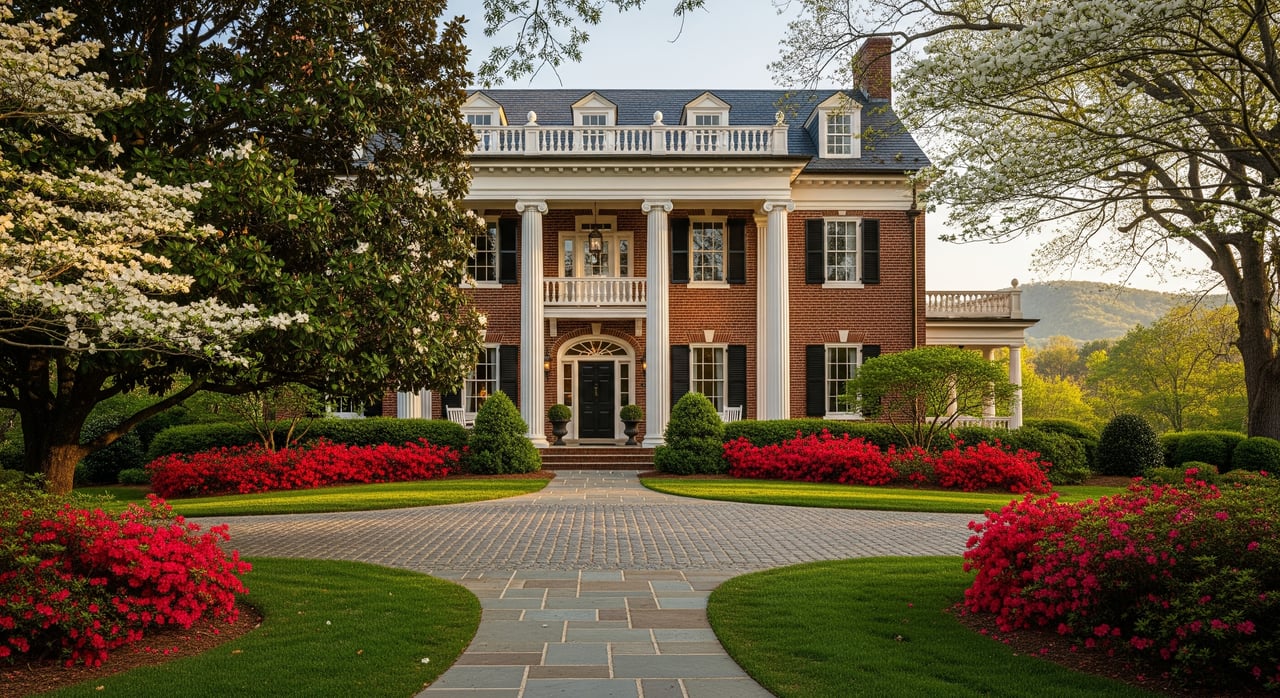
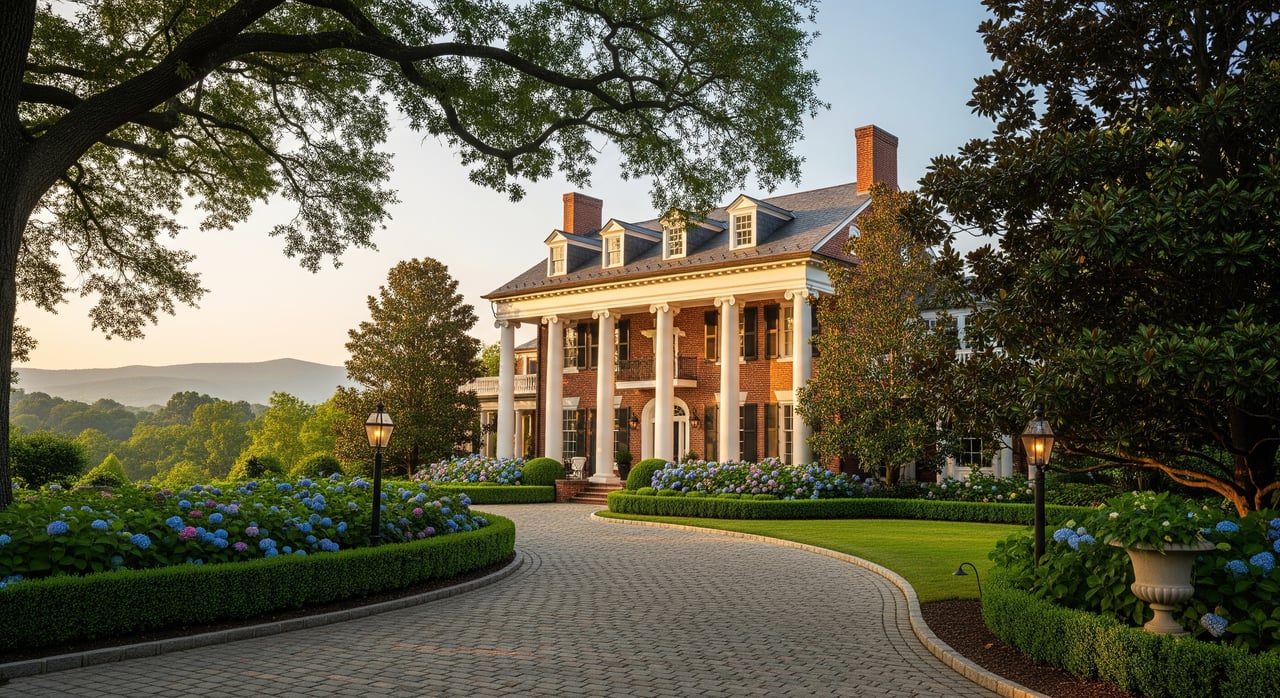
Housing in Spartanburg spans historic bungalows and Craftsman-style homes near the core, mid-century ranches and split-levels in established suburbs, and newer subdivisions with larger floor plans and modern finishes. You can also find townhomes and condo-style options, especially closer to downtown. Many older homes offer character and mature trees, while newer communities focus on open-concept living and neighborhood amenities.
Neighborhood snapshots
Downtown Spartanburg
- Lifestyle: Walk-to-dining, coffee, and arts venues with a growing residential scene.
- Housing: Loft-style condos, renovated cottages on nearby streets, and newer townhomes.
- Fit: Young professionals, downsizers, and anyone who wants a lower-maintenance setup near amenities.
Converse Heights
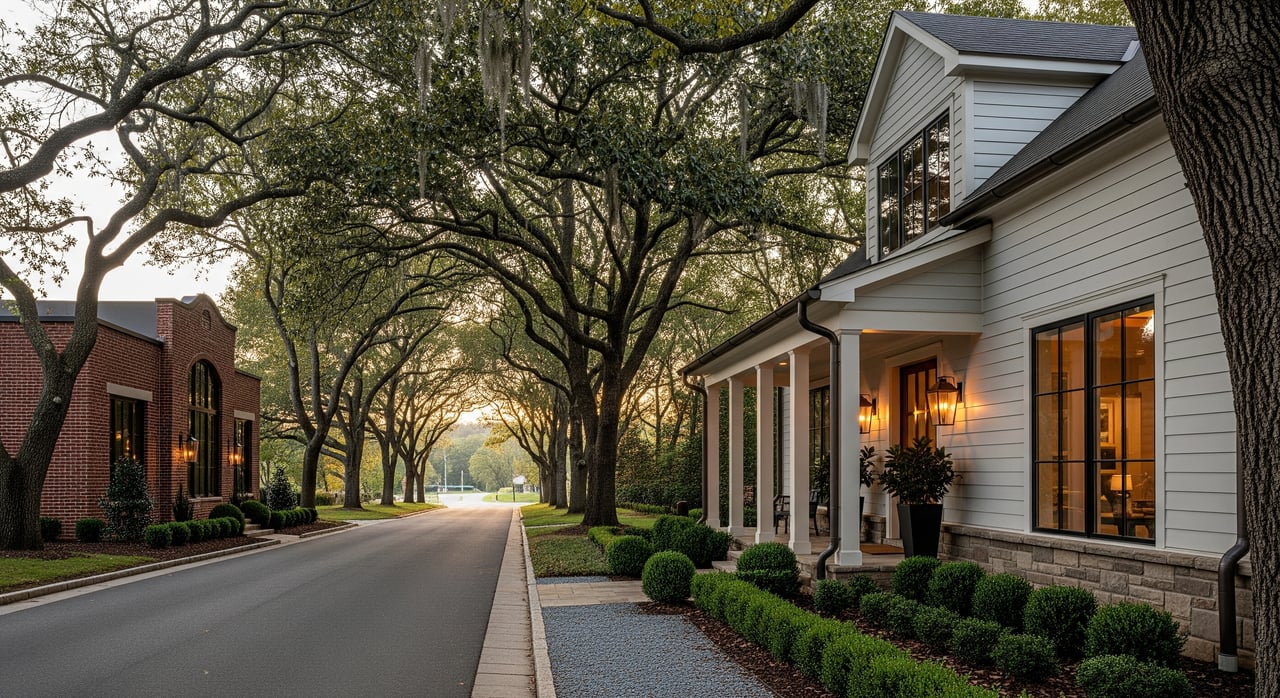
- Lifestyle: Tree-lined streets with a classic neighborhood feel not far from downtown.
- Housing: Primarily older single-family homes with period details.
- Fit: Buyers who value character and sidewalk-friendly blocks.
Hampton Heights
- Lifestyle: A historic district close to the city center with an active sense of community.
- Housing: Early 20th-century homes with front porches and architectural charm.
- Fit: Anyone seeking historic appeal and proximity to downtown events.
Fernwood and Duncan Park area
- Lifestyle: Established residential pockets with access to parks and green space.
- Housing: A mix of ranches, traditional two-stories, and cottages.
- Fit: Buyers who want a quieter feel with convenient access to shopping and recreation.
Condos and rentals
If low maintenance matters, condominium and apartment communities are available both near downtown and in suburban corridors. Downtown loft conversions appeal to those who want an urban-feel home with quick access to dining and arts. Suburban apartments often include pools, fitness centers, and parking, which can be helpful if you plan to commute.
Costs and trade-offs
Many people choose Spartanburg for its value relative to nearby metros. In general, you’ll trade a shorter walk to downtown amenities for smaller spaces, or get more square footage by moving a bit farther out. In older homes, plan for possible updates, while newer subdivisions may include HOA guidelines and fees. Always confirm property taxes, HOA details, and any localized risks during due diligence.
Parks, dining, and fun
Parks and outdoors
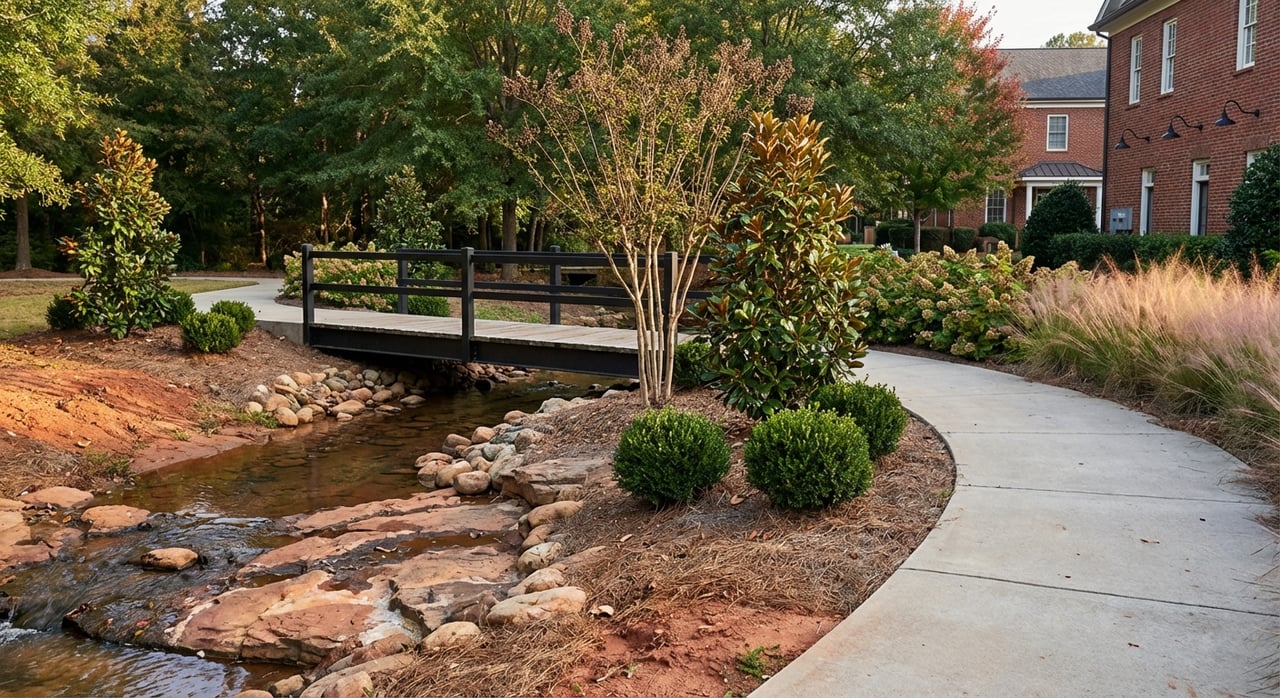
Spartanburg is rich in green space. The Hatcher Garden & Woodland Preserve offers serene walking paths, seasonal blooms, and shaded benches for a relaxing afternoon. For bigger adventures, Croft State Park provides miles of trails, lake access, and space to hike, bike, fish, and picnic. Around town you’ll also find playgrounds, sports fields, and community recreation programs that keep weekends full.
Dining and nightlife
Downtown’s food scene mixes Southern comfort, barbecue, global flavors, and farm-to-table spots. You’ll see a growing number of craft breweries, casual pubs, and live music venues that draw both locals and visitors. Coffee shops double as work-from-home extensions during the day, then become social hubs in the evening.
Shopping and services
Daily errands are easy with multiple grocery options and retail corridors across the city. You’ll find independent shops downtown and larger stores along major roads. Healthcare, dental, and urgent care providers are spread throughout the area, with larger medical services centralized near hospital campuses.
Commuting and connectivity
Spartanburg sits along major interstate corridors that connect you to the Upstate and beyond. Many residents commute within the city or to nearby employment centers, with some choosing to drive to neighboring metros for specific roles. Local bus routes serve key areas and can be useful if you live near transit corridors. For air travel, Greenville-Spartanburg International Airport offers convenient regional and national connections.
Schools and education
Spartanburg lies within Spartanburg County, which includes multiple public school districts. School assignments and boundaries vary by address, so it’s important to verify details directly with the district. Families often review district report cards and program offerings to understand academic options and extracurricular activities. Higher education adds even more opportunities through Wofford College, Converse University, and the University of South Carolina Upstate, which host cultural events and continuing education programs.
Healthcare and services
Spartanburg Regional Healthcare System anchors the area’s healthcare network, with hospital services, specialty clinics, and emergency care. You’ll also find pediatric, orthopedic, and other specialty providers across the city. City services cover essentials like water, trash, and recycling, and most neighborhoods offer multiple internet and utility options. Public safety is provided by local police and fire departments with community-focused programming.
Safety and livability
As with any city, safety can vary by neighborhood and street. Many people review city police updates and broader crime data trends to understand patterns over time. Downtown offers a more walkable environment, while suburban areas trade walkability for larger homes and yards. During festivals and events, expect heavier foot traffic and plan parking accordingly.
Local economy
Spartanburg’s economy is diverse. Key sectors include healthcare, education, manufacturing, distribution and logistics, and retail. College campuses, medical centers, and regional employers create a steady mix of jobs, while small businesses and startups add to the city’s growth story. Some residents work locally while others commute to nearby cities, depending on their industry.
Is Spartanburg a fit for you?
Spartanburg could be a match if you want:
- An approachable small-city feel with a growing downtown.
- A range of housing types from historic to new construction.
- Parks, gardens, and easy weekend escapes to larger outdoor areas.
- Practical connectivity to the broader Upstate and regional travel.
- Access to colleges, cultural programming, and community events.
Next steps
- Tour neighborhoods at different times of day to get a real feel for traffic, parking, and noise.
- Verify school assignments by address and review public report cards.
- Ask about typical HOA guidelines, property taxes, and utility providers for each area.
- Map your commute options, including interstate access and local transit routes.
- Get current market data and compare neighborhoods that fit your lifestyle.
If you’re exploring a move in the Upstate, you do not have to figure it out alone. Connect with Rhonda Stevens for local guidance, on-demand market insights, and a plan that fits your timeline.
FAQs
Is Spartanburg affordable compared with nearby cities?
- Many buyers find Spartanburg offers attractive value relative to larger nearby metros, with options ranging from downtown condos to larger suburban homes, depending on your priorities.
What is the commute like from Spartanburg to Greenville or Charlotte?
- Major interstates link Spartanburg to Greenville and Charlotte, and many residents commute by car; you’ll want to test your specific route at peak hours to gauge real-world timing.
What is downtown living like in Spartanburg?
- You’ll experience walkable access to restaurants, coffee shops, arts venues, and events, with housing that includes lofts, townhomes, and renovated cottages near the core.
How are public schools organized in Spartanburg?
- The city is served within Spartanburg County’s multiple districts, and assignments vary by address; verify boundaries and review district report cards when comparing options.
What outdoor activities are nearby?
- You can enjoy local parks and gardens in town plus trail and lake access at Croft State Park for hiking, biking, fishing, and picnicking on weekends.
What healthcare options will I find?
- Spartanburg Regional Healthcare System provides hospital and specialty care, with additional clinics, urgent care, and medical offices located throughout the city.
What home styles are most common in Spartanburg?
- You’ll see historic bungalows near downtown, mid-century ranches in established neighborhoods, and newer builds and townhomes in growing corridors, offering choices for different budgets and lifestyles.